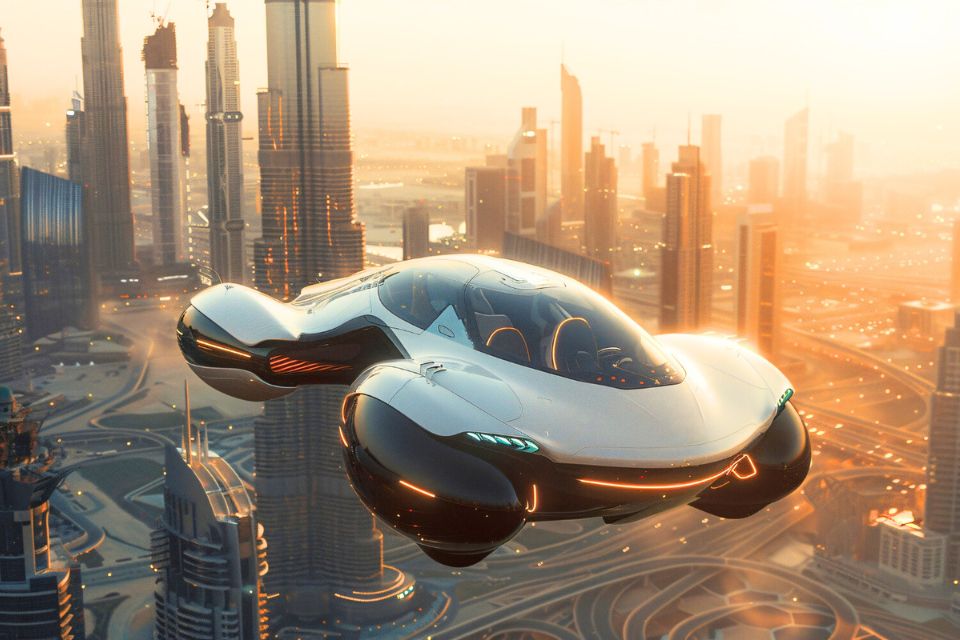
For many years flying cars have captured human imagination. Books, movies, and stories have shown vehicles flying above crowded roads. These images created hope for a future with less traffic and faster travel. Flying cars came to represent freedom from long road journeys and busy city streets. For a long time this idea stayed in the world of imagination.
Today technology is developing very quickly. New inventions appear every year. This leads to an important question. Are flying cars becoming real, or are they still only a dream for the future? To answer this, we need to look at progress challenges and real-world conditions.
For more in-depth insights on future mobility, innovation, and automotive trends, visit Motorslash, where we regularly cover emerging technologies shaping the auto industry.
Flying Cars Moving From Fiction To Reality
Flying cars are no longer only part of science fiction. Several companies are now working on real flying vehicles. These vehicles are designed to travel short distances through the air. Some models can move on roads, while others are made only for flying. Many of them use electric power and can take off and land vertically.
Some companies have already tested their flying vehicles in the air. These test flights show that the basic idea works. Engineers have proven that small electric aircraft can carry people safely for short trips. This means flying cars are no longer just drawings or movie scenes. They now exist as working machines.
Technology Making Flying Cars Possible
Technology plays a major role in the development of flying cars. Batteries are now lighter and more powerful than before. This allows vehicles to stay in the air for longer periods. Strong but light materials help reduce weight and improve safety.
Electric engines make flying vehicles quieter and cleaner. They also require less maintenance than fuel engines. Modern control systems help pilots or computers keep the vehicle stable. Navigation systems help guide the vehicle through the air. All these improvements make flying cars more realistic than in the past.
Traffic Problems & The Need For New Solutions
Traffic congestion is a serious problem in many cities. Roads are crowded during most hours of the day. People spend a lot of time traveling short distances. This causes stress and reduces productivity.
Flying cars offer a possible solution. By using air space instead of roads, they could reduce pressure on streets. Air travel across a city could take only a few minutes. This could change daily commuting and city design. Many experts believe air transport could support growing urban populations.
Challenges That Come With The Innovation
Here are a few challenges that might be hindering the birth of this incredible innovation:
Safety Challenges In The Air
Safety is one of the biggest concerns related to flying cars. Flying over homes, offices, and public spaces carries risk. Any failure in the air could lead to serious accidents.
Weather conditions such as strong winds or rain can affect flight safety. Mechanical problems are another concern. Emergency landings in cities would be difficult. For these reasons flying cars must meet very high safety standards before wide use.
Rules & Laws Slowing Progress
Airspace is controlled by strict rules. Governments regulate who can fly and where they can fly. Introducing flying cars would require new laws and systems.
Authorities must decide flight path height limits and licensing rules. They must also manage air traffic to avoid accidents. Creating and enforcing these rules takes time. Without clear regulations, flying cars cannot be used on a large scale.
High Costs & Limited Access
Flying cars are very expensive to develop and build. Advanced technology testing and safety systems increase costs. Maintenance and repairs also require skilled workers.
Because of this, flying cars are not affordable for most people. In the near future, they may only be used by companies or wealthy individuals. Many experts believe flying cars will first appear as air taxi services rather than personal vehicles.
Need For New Infrastructure
Flying cars require special infrastructure. They need areas to take off and land safely. These areas must be built on rooftops, open spaces, or special platforms. Charging stations and repair centers are also needed.
Building this infrastructure is difficult in crowded cities. Space is limited, and construction is expensive. Without proper facilities, flying cars cannot operate smoothly or safely.
Environmental Effects & Concerns
Flying cars can reduce pollution if they use electric power. They produce fewer emissions than fuel-powered aircraft. This is a positive step for the environment.
However, there are still concerns. Battery production uses natural resources. Increased air traffic may cause noise problems. Cities must balance innovation with environmental protection.
Conclusion: Reality In Progress Or Dream In Waiting?
Flying cars are no longer just a dream. Real models have been built and tested. Technology has made great progress. At the same time, many challenges remain.
Safety laws cost infrastructure, and environmental issues must be solved. In the near future flying cars are more likely to operate as air taxis rather than private vehicles. The idea of flying cars is exciting, but its full future is still taking shape.